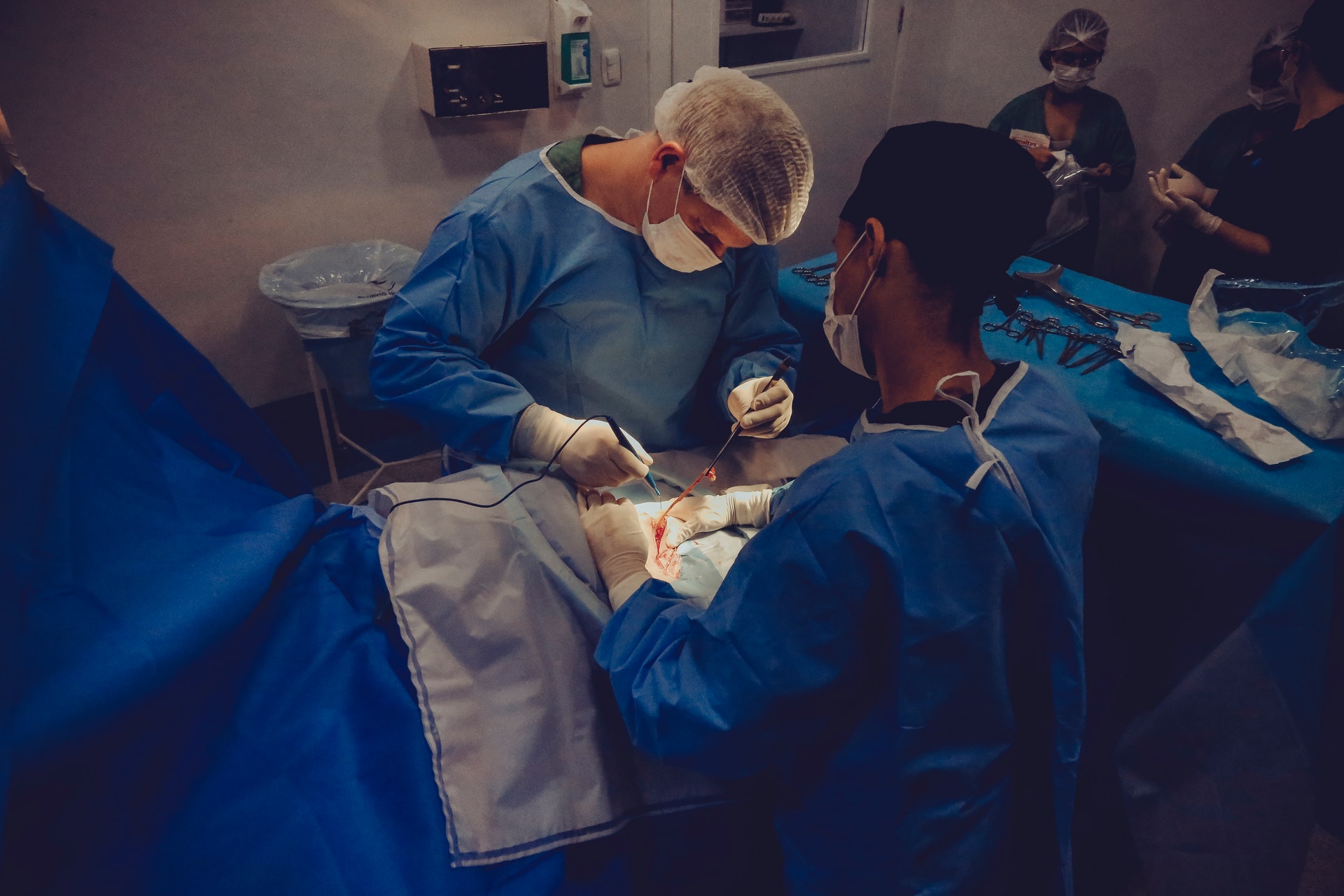

A 32-slice CT scan is an advanced medical imaging technique that uses X-rays and computer processing to create detailed cross-sectional images of internal body structures. It can help doctors evaluate organs, bones, blood vessels, and soft tissues to investigate symptoms, identify certain abnormalities, and plan appropriate treatment.
EVYA Multispeciality Hospitals, located in LB Nagar, Hyderabad, provides a multispeciality healthcare setting for patients seeking diagnostic evaluation. A CT scan may be recommended by a doctor when detailed imaging is required to investigate a medical condition or assess an injury.
If you are searching for a 32-slice CT scan in Hyderabad, LB Nagar, understanding the purpose of the scan, preparation requirements, and reporting process can help you prepare for your diagnostic appointment.
Help ensure the scan is appropriate for the clinical question.
Review symptoms, medical history, and previous imaging when relevant.
Explain instructions based on the type of CT examination.
Assess relevant allergies, kidney-related concerns, and other risk factors when contrast is planned.
Select scan settings according to the examination and clinical requirement.
Obtain the required images using the appropriate scanning protocol.
Arrange review of the images by a qualified radiologist.
Support the treating doctor in using the imaging findings to guide further care.
The healthcare team reviews the doctor’s referral, symptoms, medical history, and the body area requiring examination. Previous scans and relevant reports may help determine the most suitable imaging approach.

Preparation depends on the type of CT scan. Some examinations require no special preparation, while certain contrast-enhanced studies may require fasting or blood tests to assess kidney function, depending on the patient’s circumstances and local protocol.

The patient lies on a motorised table that moves through the CT scanner. The machine captures multiple X-ray images from different angles, and a computer processes them into detailed cross-sectional images. The scan is generally quick, although the total appointment time may be longer when preparation or contrast administration is required.

A qualified radiologist interprets the images and prepares a report for the treating doctor. The doctor reviews the findings alongside the patient’s symptoms, examination, and other test results before deciding on further investigations or treatment.
Convenient Location: Located in LB Nagar, Hyderabad, serving patients from Vanasthalipuram and nearby areas.
Doctor-Directed Imaging: Imaging selection based on the referring doctor's clinical requirements.
Patient Preparation Guidance: Instructions tailored to the type of CT examination.
Safety Screening: Review of relevant medical history and contrast-related risks when applicable.
Diagnostic Coordination: Imaging findings can support clinical assessment by the treating healthcare professional.
Report-Based Follow-Up: Results can help guide decisions about further evaluation or treatment.
If you are looking for a 32-slice CT scan centre in LB Nagar, Hyderabad, contact EVYA Multispeciality Hospitals to confirm scanner availability, the specific CT studies offered, appointment timings, and reporting arrangements.
CT imaging may be used to investigate a range of medical concerns, depending on the body area being examined.
Evaluation of suspected head injuries.
Assessment of certain causes of sudden or severe headaches.
Investigation of suspected bleeding or other abnormalities in the brain.
Assessment of selected neurological symptoms.
Evaluation of selected lung and chest abnormalities.
Investigation of certain respiratory symptoms.
Assessment of chest injuries.
Further evaluation of findings identified on other imaging tests.
Investigation of selected causes of abdominal pain.
Assessment of certain kidney stones and urinary tract conditions.
Evaluation of selected liver, pancreatic, intestinal, or other abdominal abnormalities.
Assessment of abdominal injuries and suspected complications.
Evaluation of selected fractures and complex bone injuries.
Assessment of certain spinal and skeletal abnormalities.
Detailed examination of bone structures when clinically indicated.
Certain CT systems and protocols can be used for CT angiography to examine blood vessels, when the scanner, software, contrast facilities, and clinical requirements support the examination. Availability of specific angiography studies must be confirmed with the hospital.
A CT scan does not detect every condition and may not be the most appropriate test for every symptom. The choice between CT, MRI, ultrasound, X-ray, or another investigation should be made by the treating clinician based on the clinical need.
A doctor may recommend CT imaging for:
Evaluation of certain injuries after an accident.
Persistent or unexplained symptoms requiring detailed imaging.
Investigation of selected abdominal or chest conditions.
Assessment of suspected fractures or complex bone injuries.
Further evaluation of abnormalities seen on other tests.
Monitoring certain known conditions when CT is clinically appropriate.
Preoperative planning or assessment of selected treatment-related concerns.
Inform the healthcare team if you are pregnant or think you may be pregnant.
Tell the staff about previous reactions to CT contrast agents.
Inform the doctor if you have kidney disease or other significant medical conditions.
Share details of current medicines and relevant previous imaging.
Follow the preparation instructions given for your specific examination.
Do not stop prescribed medicines unless your healthcare professional advises you to do so.
CT scans use ionising radiation. The medical team should use an examination and protocol appropriate to the clinical need, with particular consideration for children and patients who may be pregnant. Contrast material is required for some CT examinations but not all.
Seek emergency medical care for symptoms such as sudden facial drooping, weakness on one side of the body, difficulty speaking, severe breathing difficulty, major head injury, or sudden severe chest pain. Do not delay emergency assessment while arranging a routine imaging appointment.
Choosing the right hospital for heart care is an important decision. EVYA Multispeciality Hospitals aims to support patients through a coordinated, patient-focused approach to medical evaluation and treatment.
The right cardiology hospital depends on your medical needs, the cardiologist's qualifications, available diagnostic facilities, and the treatment required. EVYA Multispeciality Hospitals in the LB Nagar area is an option to consider for cardiac consultation and heart health evaluation.
Look for a qualified cardiologist with relevant clinical experience and access to the services your condition requires. You can contact EVYA Multispeciality Hospitals to enquire about its cardiology specialist, qualifications, consultation timings, and available facilities.
Chest discomfort, breathlessness, palpitations, dizziness, high blood pressure, and other possible signs of cardiovascular disease may require medical evaluation. Sudden or severe symptoms should be treated as an emergency.
Yes. Diabetes is an important risk factor for cardiovascular disease. Your doctor may recommend an individualized assessment based on your blood pressure, cholesterol, diabetes control, symptoms, and overall medical history.
Depending on the clinical assessment, a doctor may recommend tests such as an ECG, echocardiogram, blood tests, or other investigations. Not every patient needs every test.
EVYA Multispeciality Hospitals serves as a local healthcare option for patients seeking cardiology consultation in the LB Nagar and Vanasthalipuram areas. Contact the hospital directly to confirm its current cardiology services and appointment availability.